
Course Overview
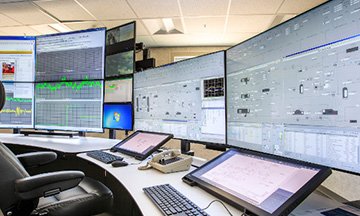
What are the types of ‘industrial control system’? Industrial control system (ICS) characterises the various types of control systems, devices, networks, and related protocols used to regulate and automate the industrial process. Industrial control system (ICS) has permeated modern automated industries like power stations, manufacturing, transportation, energy, and water treatment industries. You will find out more about the types of industrial control systems in this Zoe course.
What do industrial control systems control? ICS frequently integrates new software and technology in both OT and IT to improve function and productivity, making them targets for cyber-attacks that can create risks to the system itself, cause leakage of sensitive data, intellectual property theft, operational shutdowns, and damage equipment, and end human life. This Zoe training course will provide you with extant knowledge about the fundamental concepts of security concerns within the industrial control systems architecture and relevant cybersecurity topics. This course will also provide you with the experience and knowledge needed to work in any sphere of industrial control system security, thus providing opportunities for career growth.
Why This Course Is Required?
Industrial Control Systems (ICS) are vital for automation across critical infrastructure, manufacturing, utilities, and transportation where network-enabled ICS are now key targets for sophisticated cyberattacks sometimes with devastating physical consequences. The complexity of modern industrial environments requires specialized knowledge in ICS cybersecurity and threat mitigation where well-documented incidents reveal that successful attacks can lead not only to data loss but operational shutdown, equipment sabotage, environmental disasters, and threats to human safety while rapid digitalization and increased remote access have expanded the ICS attack surface exposing sectors to everything from ransomware to nation-state cyber-physical campaigns.
The essential need for comprehensive training in ICS and cyber security is underscored by its critical role in reduced operational, legal, and financial risk where proper understanding of network segmentation, asset inventory, and vulnerability scanning is crucial for eliminating or mitigating the impact of targeted attacks while reducing risk of compliance breaches and financial penalties. ICS cybersecurity professionals must master the principles of continuous and safe operations, understand modern security frameworks and incident response, and apply proper audit and regulatory compliance techniques to ensure organizations achieve simplified compliance, enhanced trust with stakeholders, and competitive advantage through resilient industrial processes and protected safety systems.
Research demonstrates that Industrial Control Systems are vital for automation across critical infrastructure, manufacturing, utilities, and transportation, but network-enabled ICS are now key targets for sophisticated cyberattacks sometimes with devastating physical consequences, with well-documented incidents revealing that successful attacks can lead to operational shutdown, equipment sabotage, environmental disasters, and threats to human safety while global cybersecurity initiatives demonstrate that modern best practices substantially reduce the likelihood and impact of ICS cyber events.
Course Objectives
This training course aims to empower professionals to:
- Thoroughly understand the fundamentals of Industrial Control Systems and cyber security
- Demonstrate highly developed practical skillset in eliminating all online threats such as malware, darknets, dark markets, zero-day, exploit kits vulnerabilities, advanced hackers and trackers, and cybercriminals
- Understand the different classes of firewalls that are available and the threats they help eliminate
- Train other professionals on identifying security vulnerabilities within the ICS through vulnerability scanning and network hacking techniques
- Predict and assess risks in the ICS architecture and analyse risk management procedures that can be applied to it
- Thoroughly understand the security standards in ICS networks and ways to impede attacks on the network
- Identify the components of standard ICS/OT security monitoring and incident response programs
- Advanced competency in network segmentation and asset inventory management
- Expertise in remote access controls and vulnerability assessment techniques
- Enhanced understanding of regulatory compliance frameworks and audit preparation
- Skills in incident response planning and cyber-physical attack mitigation
- Proficiency in modern ICS security tools and monitoring technologies
Master ICS cybersecurity excellence and drive industrial protection success. Enroll today to become an expert in Industrial Control System and Cyber Security Training Course!
Training Methodology
Zoe Talent Solutions provides training courses on different subjects. Experts deliver the training from the relevant industry. In addition, the training is delivered as informative video lessons and practical exercises.
The training framework includes:
- Expert-led instruction by industry professionals with extensive ICS cybersecurity experience
- Interactive informative video lessons and comprehensive practical exercises covering theoretical and applied security concepts
- Group assignments, tasks, and activities that encourage interaction among trainees and with instructors
- Role-plays applicable to real-world ICS security scenarios and incident response situations
- Hands-on experience with ICS security tools, vulnerability assessment, and network monitoring technologies
This immersive approach fosters practical skill development and real-world application of ICS cybersecurity principles through comprehensive coverage of threat assessment, security implementation, and incident response techniques.
Zoe Talent Solutions applies this training method for all its courses. It is referred to as the ‘Do-Review-Learn-Apply Model’, creating a structured learning journey that transforms ICS cybersecurity knowledge into operational excellence through systematic practice and implementation.
Who Should Attend?
This Industrial Control System and Cyber Security Training Course is designed for:

- IT and ICS cybersecurity professionals that realise the need for collaborative security approaches and are interested in industrial control systems
- End-users, asset owners, integrators, and vendors dealing with the problem of securing ICS
- Electric utility engineers working in electric industry security
- Operators, technicians, and maintenance personnel working at electric utility companies
- Investors and contractors who plan to invest in the electric industry that specialises in creating security standards for ICS
- Anyone who wants to develop competency in industrial control systems and cybersecurity
- Control systems engineers and automation professionals
- Manufacturing and process industry security specialists
- Critical infrastructure protection personnel
- Compliance officers and audit professionals in industrial sectors
Organisational Benefits
With professionals taking this course, organisations will benefit in different ways:
- Application of advanced tools and technology to architect the organisation’s network for maximum security and hinder local and remote attacks
- Efficient control of the organisation’s systems that automatically manage processes to compete in today’s market-driven economy
- Detailed risk assessment and management to assess the security, monitor the system, and ensure the physical security of ICS systems in your organisation
- Ensure the professionals in training are equipped with improved expertise to detect security vulnerabilities across an entire network by utilising vulnerability scanning and network hacking techniques
- Enlighten security teams within the organisation on the examination of ICS systems thoroughly to identify the various kinds and levels of risk in the ICS and ways of installing corresponding safeguards to it
- Regular training of professionals on mitigation strategies to increase the cybersecurity posture of their Control System
- Enable the organisation in question to stand out for safe and secure industrial control system architecture
- Significantly reduced operational, legal, and financial risk through proactive ICS security measures that eliminate targeted attack impact
- Enhanced continuous and safe operations through proper ICS cybersecurity strategies that ensure resilient industrial processes
- Better simplified audit and regulatory compliance through meeting standards that enhance trust with customers and partners
- Strengthened competitive positioning through protected safety systems and enhanced operational resilience
Studies show that organizations implementing comprehensive ICS cybersecurity training achieve significantly reduced operational, legal, and financial risk as proactive ICS security measures eliminate or mitigate the impact of targeted attacks reducing risk of loss of operation, compliance breaches, or massive financial penalties with firms in energy and water sectors avoiding multi-day outages and brand crises through real-time monitoring and layered defense, enhanced continuous and safe operations through proper ICS cybersecurity strategies that ensure safe, resilient, and continuous industrial processes preventing downtime, environmental disasters, and loss of life, and better simplified audit and regulatory compliance as meeting standards such as NERC CIP, IEC 62443, and NIST enhances trust with customers, partners, and regulators.
Empower your organization with ICS cybersecurity expertise. Enroll your team today and see the transformation in industrial security and operational resilience!
Personal Benefits
Professional undertaking this course will benefit in the below-mentioned ways:
- Gain a basic understanding of cybersecurity and ICS
- Skilful network monitoring to discover and identify likely hackers and malware utilising tools like Tcpdump, Wireshark, and Syslog
- Improved expertise to detect security vulnerabilities across an entire network by utilising vulnerability scanning and network hacking techniques
- Thoroughly understand the security development for mobile devices and networks in ICS and wireless security of these industrial systems and protect against different vulnerabilities
- Thoroughly understand key concepts like cryptography and encryption, malware, trojan virus, network security, and risk management and how they affect ICS
- Understand the meaning of risk and how it impacts the operational security and integrity of the ICS
- Advanced expertise in industrial cybersecurity and OT protection
- Enhanced career prospects and marketability in ICS security and critical infrastructure sectors
- Improved ability to lead cybersecurity initiatives and manage complex industrial security projects
- Greater competency in threat assessment and incident response techniques
- Increased capability to mentor and develop other cybersecurity professionals
- Enhanced understanding of emerging ICS threats and defense technologies
Course Outline
Module 1: Overview of ICS
- Meaning
- Roles and Responsibilities
- Types of ICS
- Comprehensive ICS category including control systems, devices, networks, and protocols
- Critical infrastructure applications including power grids, water treatment, and manufacturing
- Classification based on function, scale, and deployment environment
- Distinction between field devices and supervisory control systems
Module 2: Industrial control system functional components
- Control loop
- Distributed Control System
- SCADA
- Programmable logic controller
- Actuator
- Intelligent Electronic Device
- PID controller feedback loops for real-time process adjustment
- RTUs (Remote Terminal Units) for microprocessor-based field data collection
- HMI (Human-Machine Interface) for graphical operator interaction
- Sensors and actuators forming the backbone of ICS operations
Module 3: ICS Network and Industrial Architecture
- Fundamentals of Networks:
- Ethernet, TCP/IP Protocol
- ICS Wireless Systems
- Satellite, Mesh, Wi-Fi, and Bluetooth Systems
- Honeypots
- Firewalls and Gateways
- The OSI 7-Layer Model
- Routers and Firewalls
- Network Data Analysis
- Fieldbus Industrial Protocols
- Backend Industrial Protocols
- ICS Protocol Architectures
- Industrial protocols including MODBUS, DNP3, and EtherNet/IP
- IEC 61850 standard for substation automation and interoperability
- PROFIBUS and MQTT protocols for high-speed automation and data transfer
- Network segmentation and zone-conduit model for cybersecurity
Module 4: Overview of Cybersecurity tools and Cyberattack
- Meaning of cybersecurity
- History of cybersecurity
- Types and motives of cyber attacks
- Cyber attack countermeasures
- Ransomware threats targeting IT systems with OT operational impact
- Nation-state attacks on critical infrastructure and industrial facilities
- ICS-specific malware designed to target industrial control systems
- Cyber-physical attack vectors and their potential consequences
Module 5: Network Security and Database Vulnerabilities
- Meaning of Database
- Types of Databases
- Types of Database Vulnerabilities
- Tools needed to research a database vulnerability of a database
- Historian databases storing operational and process data
- Engineering workstation databases containing system configurations
- SQL injection and database access control vulnerabilities
- Data integrity and availability threats in industrial environments
Module 6: Penetration Testing, Incident Response and, forensics
- Stages of Penetration testing
- Penetration testing tools
- Digital forensics and Digital evidence
- Power of scripting
- Scanning and Vulnerability Enumeration
- ICS-specific penetration testing methodologies and ethical considerations
- Network scanning techniques adapted for industrial environments
- Digital forensics in OT environments and evidence preservation
- Vulnerability assessment tools for industrial control systems
Module 7: Vulnerabilities in ICS Architecture
- Policy and procedure vulnerabilities
- Platform configuration vulnerabilities
- Platform hardware and software vulnerabilities
- Malware Protection Vulnerabilities
- Network Configuration Vulnerabilities
- Network Hardware Vulnerabilities
- Network Perimeter Vulnerabilities
- Legacy system vulnerabilities and patch management challenges
- Remote access vulnerabilities and unauthorized entry points
- Weak authentication and default credential exploitation
- Network perimeter weaknesses and inadequate segmentation
Module 8: ICS and Cybersecurity
- Relevance of Cybersecurity to industrial control systems
- Motivation for attacking the ICS.
- The effect of cyber attacks on the ICS:
- It can cause a change in the Programmable Logic Controllers (PLC),
- It can cause changes in the operating system and application configurations of the ICS.
- It can tamper with safety controls
- Convergence of IT and OT creating expanded attack surfaces
- Safety system manipulation and physical damage potential
- Process disruption and production shutdown consequences
- Data exfiltration and intellectual property theft risks
Module 9: ICS Server Attacks
- How are ICS servers attacked:
- Attacks on ICS Remote Devices
- Firmware Attacks
- HMI server compromise and operator interface manipulation
- Engineering workstation attacks and configuration tampering
- Firmware modification and persistent backdoor installation
- Lateral movement from compromised servers to field devices
Module 10: Assessing and Managing Risk
- Meaning of risk
- Effects of risk on operational security and integrity
- Identification, classification and, ranking of Cybersecurity risks to ICS
- Appropriate measures to mitigate residual risks in the ICS
- Asset inventory and criticality assessment for ICS components
- Threat modeling specific to industrial control system environments
- Risk quantification including operational impact and financial consequences
- Risk treatment strategies and residual risk acceptance criteria
Module 11: Selecting and Implementing Security Controls for ICS
- Meaning of security control
- The relationship between Security controls and risk management
- Categories of security control
- Standards and Security Controls Applied to ICS
- IEC 62443 series standards for industrial cybersecurity
- NERC CIP requirements for electrical utility critical infrastructure
- NIST Cybersecurity Framework adaptation for industrial environments
- ISO 27001/27002 controls customized for ICS environments
Module 12: Cybersecurity best practices for Industrial control systems
- Risk management and cyber security governance
- Physical and Environmental Security
- System monitoring and Hardening
- Malware Protection and Detection
- Periodic Assessments and Edits
- Incident Planning and Resource
- Intrusion Detection
- Patchware Management
- Network Segmentation
- Host security
- Network segmentation using DMZs and secure remote access
- Continuous monitoring and anomaly detection for ICS networks
- Patch management strategies for critical industrial systems
- Backup and recovery procedures for ICS configurations
Module 13: Real-life cases of cyber attacks on ICS System
- Stuxnet worm (Manipulation of centrifuges inside nuclear facilities in Iran)
- BlackEnergy (Ukraine Case Study)
- Zotob PnP worm attack on Daimler Chrysler U.S. car Manufacturing plant in 2005

- Colonial Pipeline ransomware attack and fuel shortage consequences (2021)
- TRITON/TRISIS malware targeting safety instrumented systems
- NotPetya impact on manufacturing and logistics operations
- Industroyer/CrashOverride attacks on Ukrainian power grid
- Lessons learned and defense improvements from historical incidents
- Attribution challenges and geopolitical implications of ICS attacks
Real World Examples
The impact of Industrial Control System and Cyber Security training is evident in leading implementations:
- Colonial Pipeline (USA, 2021)
Implementation: A ransomware attack on IT systems forced the largest fuel pipeline operator in the US to shut down operations for six days. While the malware targeted IT, the operational impact affected critical OT, resulting in fuel shortages and national economic consequences through demonstrated vulnerabilities in cyber-physical segmentation and supply chain protection.
Results: The incident demonstrated the urgent need for robust cyber-physical segmentation, remote access controls, and supply chain protection in critical infrastructure, highlighted the importance of comprehensive ICS cybersecurity training to prevent such devastating operational impacts, and emphasized the critical nature of protecting industrial control systems from cyber threats that can affect national economic stability, showing how comprehensive ICS cybersecurity training enables exceptional critical infrastructure protection and operational resilience. - Ukraine Power Grid (2015)
Implementation: ICS-specific malware successfully disrupted electricity distribution to over 230,000 customers in Ukraine, marking the first known incident to take down a regional grid with a cyberattack through targeted attacks on industrial control systems and power distribution infrastructure.
Results: The incident pushed operators worldwide to adopt enhanced monitoring, backup strategies, and network segmentation through systematic ICS cybersecurity improvements, demonstrated the critical importance of comprehensive ICS security training to prevent grid-level cyber attacks, and highlighted the vulnerability of power infrastructure to sophisticated cyber threats requiring specialized cybersecurity knowledge and protective measures, demonstrating how comprehensive ICS cybersecurity training enables superior power grid protection and operational continuity. - Stuxnet (Iran, 2010)
Implementation: The Stuxnet worm specifically targeted Siemens PLCs at Iranian nuclear facilities, causing physical destruction of centrifuges by leveraging software vulnerabilities in industrial control systems, demonstrating sophisticated nation-state capabilities to achieve sabotage in highly secure ICS environments.
Results: The attack exposed how nation-state actors could achieve sabotage in highly secure ICS environments through sophisticated malware targeting specific industrial equipment, underscored the importance of security-by-design and regular patching in industrial control systems, and demonstrated the critical need for comprehensive ICS cybersecurity training to protect against advanced persistent threats and nation-state cyber-physical campaigns, showcasing how systematic ICS cybersecurity training enables exceptional industrial facility protection and national security resilience.
Be inspired by critical ICS cybersecurity lessons. Register now to build the skills your organization needs for industrial security excellence!