
Oil Spill Response, Management and Safety (On Scene Commander Level)
 Print
Print Download pdf
 Download Brochure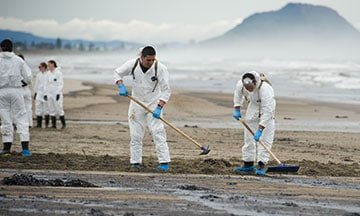
 Register
| Date | Format | Duration | Fees | |
|---|---|---|---|---|
| 22 Apr - 24 Apr, 2024 | Live Online | 3 Days | $1750 | Register |
| 17 Jun - 19 Jun, 2024 | Live Online | 3 Days | $1750 | Register |
| 18 Aug - 22 Aug, 2024 | Live Online | 5 Days | $2250 | Register |
| 16 Sep - 24 Sep, 2024 | Live Online | 7 Days | $3147 | Register |
| 14 Oct - 25 Oct, 2024 | Live Online | 10 Days | $4495 | Register |
| 09 Dec - 17 Dec, 2024 | Live Online | 7 Days | $3147 | Register |
| Date | Venue | Duration | Fees | |
|---|---|---|---|---|
| 29 Apr - 03 May, 2024 | Dubai | 5 Days | $4750 | Register |
| 20 May - 24 May, 2024 | Dubai | 5 Days | $4750 | Register |
| 05 Jun - 07 Jun, 2024 | Dubai | 3 Days | $3950 | Register |
| 08 Jul - 12 Jul, 2024 | Dubai | 5 Days | $4750 | Register |
| 12 Aug - 16 Aug, 2024 | Dubai | 5 Days | $4750 | Register |
| 01 Sep - 05 Sep, 2024 | Doha | 5 Days | $4950 | Register |
| 02 Sep - 13 Sep, 2024 | Victoria - Seychelles | 10 Days | $9150 | Register |
| 16 Sep - 20 Sep, 2024 | Dubai | 5 Days | $4750 | Register |
| 30 Sep - 11 Oct, 2024 | Manchester | 10 Days | $9850 | Register |
| 07 Oct - 11 Oct, 2024 | Dubai | 5 Days | $4750 | Register |
| 25 Nov - 29 Nov, 2024 | Dubai | 5 Days | $4750 | Register |
| 02 Dec - 20 Dec, 2024 | Barcelona | 15 Days | $14925 | Register |
| 02 Dec - 06 Dec, 2024 | Dubai | 5 Days | $4750 | Register |
Book Classes Now

Course Overview
Oil spills are leakages of crude oil and by-products into the environment, particularly oceans, lakes, rivers and other water bodies. Oil spills are a major form of pollution impacting marine life. While oil spills occur on land and in water bodies, majority incidents have been recorded in water bodies.
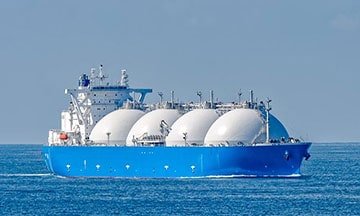
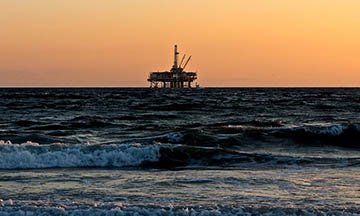
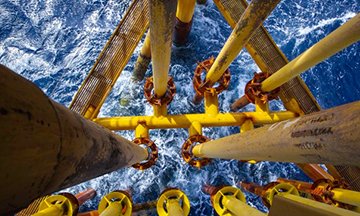
Deep-sea production activities and transportation of crude oil across seas are the major sources and reasons for oil spills. After a spill incident has occurred, the oil floats on the surface of the water, forming a thin layer called oil slick. Oil slick appearing thin and in rainbow colours is called sheen.
Oil spills cause major damage to aquatic life and lead to severe environmental pollution and business loss. Thus, given the grave impact of such incidents, spill response management is a very important area of focus for marine port terminals and jetties. Effective and efficient decision making is key for successful spill response management.
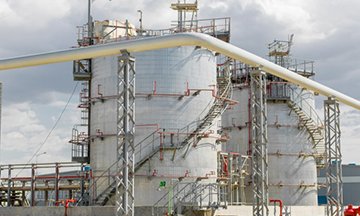
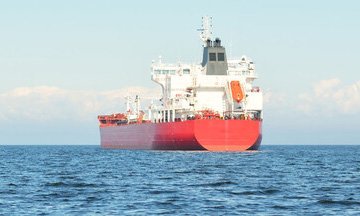
There could be various causes of oil spills, but some of the major ones are faulty/failed machinery, human error, marine accidents and natural disasters. Spillage can occur from various sources, such as refineries, barrages, tankers, pipelines, etc., depending on the nature of the vessel, place of storage, method of transfer, etc.
In such cases, the on-scene commander plays a major role in averting severe damage to life, property and the environment. Of the many responsibilities assigned to the on-scene commander, the most important is that of noticing an oil spill incident and activating the emergency response team.
Some other responsibilities include evaluating the severity of the incident, the potential impact and the safety measures to be undertaken, coordinating with senior officers, etc.
The on-scene commander is also expected to take strategic decisions about the relevant approach to rescue operations and tactfully manage the entire situation while keeping other senior officials informed through verbal communication and necessary records.
In the event of an oil spill, the on-scene commander needs to communicate with operational staff, communication staff, safety managers, liaison officers and other managing supervisors. Thus, clarity in communication is extremely important.
This Zoe training course will empower you with a complete overview of oil spills and, more specifically, the duties and responsibilities of the on-scene commander. This course will help you hone your skills and talent if you are an on-scene commander or in line for promotion to the same.
If you are already at a supervisory level, this course will act as a refresher to help you clearly understand the responsibilities of on-scene commanders so that there are clearly defined segregation of actions in the event of oil spills or any other marine accidents.
Overall, in any capacity, this course will give you the necessary confidence and exposure to play a major role in marine terminal operations and security measures to prevent marine accidents, mainly oil spills.
Course Objectives
The main objective of this course is to empower on-scene commanders and other marine professionals with—
- adequate knowledge and information about oil spills
- the required clarity and detail of the duties and responsibilities of on-scene commanders to ensure fulfilment of responsibilities to the satisfaction
- the necessary exposure and confidence to effectively manage oil spills and help minimise the impact
- the required clarity to ensure seamless and timely communication and notification of an oil spill incident to all necessary stakeholders
- the required knowledge and information to enhance analytical skills and decision-making abilities for stakeholders in critical positions
- adequate awareness of the grave impact of oil spills on life, property and the environment and necessary precautionary measures to prevent the occurrence of such incidents
- the required amount of clarity of division of responsibilities to avoid miscommunication, lack of clarity or delay in emergency next steps
Training Methodology
Zoe Talent Solutions prefers the unconventional way and prioritises practical learning over theory. Training is delivered in methods customised to the topic and audience.
The training includes face-to-face interactions/discussions, audio/video presentations, case studies and workgroups, experiential learning activities, role-plays, etc. The group activities and role-plays are particularly useful in encouraging trainee participation in the programme.
Like all Zoe Talent Solutions courses, this course follows the Do-Review-Learn-Apply Model.
Organisational Benefits
With marine professionals, particularly on-scene commanders, attending this course, their respective organisations will benefit in the following ways:
- Greater awareness of oil spills and their impact on life, property and the environment
- Trained and confident staff to effectively manage oil spills
- Better and seamless communication in the event of an oil spill because of clarity in the division of responsibilities and ownership
- Better risk assessment and management
- Increased ownership among all stakeholders across the channel because of well-defined and well-divided responsibilities
- Increased audits and checks to confirm compliance with international regulations and standards and to prevent the occurrence of oil spills
- Prompt action and next steps after oil spills, thus saving organizational costs by acting in time and preventing great damage
- Better strategic and tactical decision making at the top
- Well-maintained, updated and complete reports after an oil spill incident, providing all necessary information and knowledge
- Business growth and economic development because of lesser risks to shipment and trade caused by oil spills
Personal Benefits
By attending this Oil Spill Response, Management and Safety (On Scene Commander Level) course, marine professionals, particularly on-scene commanders, will derive the following benefits:
- Increased ability to think strategically and make tactical and strategic decisions in the event of an oil spill
- Increased awareness and experience to take precautionary measures, recognise early warning signals and take timely action to manage oil spills
- Increased confidence and skill to efficiently and effectively manage incidents of oil spills, ensuring minimal impact to life, property and the environment
- Greater knowledge and understanding of record maintenance for future reference and planning
- Enhanced skill set and confidence to undertake any responsibility and fulfil it completely
- Greater clarity in terms of the clear responsibilities of an on-scene commander to ensure seamless communication of updates and other additional information and to avoid confusion in the event of an oil spill
- More avenues and opportunities to demonstrate one’s talent and undertake higher roles and responsibilities
Who Should Attend?
- Senior officials and managers of marine organisations and other related organisations responsible for critical decision making
- Members of the emergency response and incident management teams who would need to take the first action in case of marine accidents
- Operational personnel responsible for conducting operations, while keeping in mind the health and safety of employees and the environment
- External officers and legal executives who should understand the responsibilities of all those involved in any aspect of work
- On-scene commanders who need to take emergency action and activate emergency processes
- Safety managers and officers responsible for ensuring that operational processes and procedures are compliant with international regulations and guidelines
- Policymakers responsible for creating safety and code of conduct policies to prevent the occurrence of oil spills and other marine accidents
- Any other person who would like to know more about oil spills and the responsibilities of the on-scene commander in marine accidents
Course Outline
The Oil Spill Response, Management and Safety (On Scene Commander Level) course will cover the following areas critical to understanding oil spills and the responsibilities of the on-scene commander:
Module 1 – Causes of Oil Spills
- Machinery failure
- Human error
- Marine accidents
- Natural disasters
- Illegal dumping
- Water vehicles and water sports
Module 2 – Sources of Spillage
- Refineries
- Barrages
- Tankers
- Pipelines
- Other storage facilities
Module 3 – Impact of Oil Spills
- Environmental pollution
- Harm to marine life
- Danger to the surrounding population and lives
- Business loss
Module 4 – Responsibilities of an On-Scene Commander
- Activate the emergency response team
- Activate additional response vendors/contractors
- Evaluate severity, impact, safety measures, response requirements, etc.
- Confirm safety aspects at site
- Communicate and provide incident information
- Coordinate and complete internal/external notifications
- Communicate with the emergency response team
Module 5 – Priorities of an On-Scene Commander
- Swift evaluation and cyclical incident update
- Effective communication
- Strategic decisions
- Tactical-level management
Module 6 – Members of the Tactical Response Team
- Operational staff
- Communication staff
- Safety managers
- Liaison officers
- Other managing supervisors
Module 7 – Post-Incident Termination Process
- Debriefing
- Post-incident analysis
- The critique
Module 8 – Contents of Reports During/After Oil Spills
- Weather conditions
- Rescue/search operation updates
- Important environmental metrics
- Suggested modifications to action plans
- Estimated time to recovery
- Future plans and recommendations
General Notes
- All our courses can be facilitated as Customized In-House Training course.
- Course duration is flexible and the contents can be modified to fit any number of days.
- As for Open Enrolment Courses, we offer our clients the flexibility to chose the location, date, and time and our team of experts who are spread around the globe will assist in facilitating the course.
- The course fee includes facilitation, training materials, 2 coffee breaks, buffet lunch and a Certificate of successful completion of Training.
- FREE Consultation and Coaching provided during and after the course.