
Course Overview
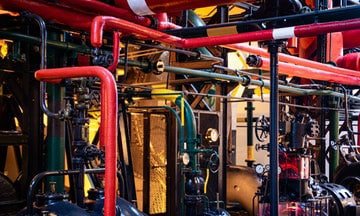
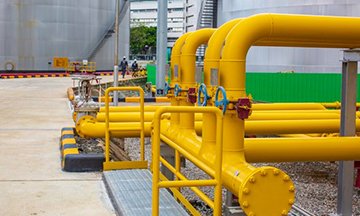
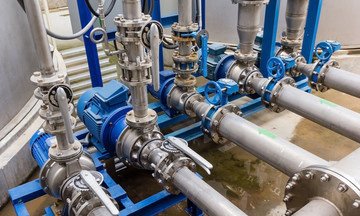
What does a piping system include? A piping system consists of a network of pipes, fittings, flanges, valves and tanks that perform a specific function, i.e. to transfer fluid from one equipment to another. Piping systems are the backbone of industries as they connect important processes through the supply of fluids needed for seamless operation. They also account for a significant amount of the total plant cost and investment.
The material to construct the piping system is carefully chosen basis the operation it is going to perform. Material suitability can be adjudged through various standard codes used to denote the quality and material of pipes and other fixtures used. Since these systems operate under various temperatures and pressures, they need to resist any possible damage from these conditions. This Zoe training course will empower you with all the information and knowledge for choosing, setting up and managing piping systems. Given the importance of piping systems and the risks involved, trained experts in this would ensure greater opportunities for career progression.
Why This Course Is Required?
Piping systems are the backbone of oil and gas plants, comprising intricate networks that transport critical fluids under varying pressures and temperatures, where failures in design, installation, operation, or maintenance are a leading cause of safety incidents, environmental releases, and costly production shutdowns. The complexity of modern oil and gas operations requires specialized knowledge in piping codes such as ASME B31.3, material selection, stress analysis, and preventive maintenance to ensure safety, reliability, and regulatory compliance throughout the system’s lifecycle.
The essential need for comprehensive training in piping systems is underscored by their critical role in connecting important processes through the supply of fluids needed for seamless operation while accounting for a significant amount of the total plant cost and investment. Engineers and technicians must master the principles of piping design, understand material suitability through various standard codes, and apply proper maintenance techniques to prevent failures that can result in catastrophic consequences including worker injuries, environmental damage, and production losses.
Research demonstrates that piping system failures are a leading cause of safety incidents and costly shutdowns, with global studies estimating that system leaks and ruptures are responsible for 40% of process industry accidents, with losses running into billions of dollars each year. Without comprehensive understanding of piping design principles, material selection, stress analysis, and maintenance protocols, organizations struggle to ensure safety and reliability while missing opportunities to prevent environmental releases, reduce downtime, and maintain regulatory compliance essential for safe and efficient oil and gas plant operations.
Course Objectives
The primary objective of this Piping Design, System, Operation, Maintenance and Repair in Oil and Gas Plant training course is to empower professionals with:

- Detailed understanding and knowledge of plant piping systems, including design, operation, maintenance, and repair.
- Required awareness and knowledge of relevant codes and standards to choose the correct piping material.
- Experience to understand required operations and decide the best piping systems.
- Adequate confidence and understanding to consider all challenges such as temperature and pressure and work on setting up a system that could withstand these conditions.
- Knowledge and experience to train other professionals on essential aspects of piping systems.
- Adequate knowledge and experience to understand what size and fittings are needed as per the intended purpose.
- Awareness and confidence to conduct regular inspections to check for maintenance and repair requirements.
- Understanding of the extent and type of damage and necessary remedial measures to address these.
- Skill and capabilities to reduce organizational costs on piping system maintenance and repair, thereby contributing to organizational development as well as worker safety.
- Comprehensive knowledge of piping system components, including pipes, fittings, valves, flanges, supports, expansion joints, and instrumentation for monitoring and control.
- Expertise in applying international design standards and codes such as ASME B31.3, API, and ASTM for system safety and regulatory compliance.
- Ability to perform piping stress analysis, pipe sizing, flexibility studies, and optimal layout planning for various fluid and process requirements.
- Skills to create, read, and interpret piping layout drawings, isometric diagrams, material take-offs, and general arrangement schematics.
- Proficiency in preventive maintenance, inspection scheduling, NDT methods, and failure analysis for enhancing system reliability and uptime.
- Capacity to assess and select appropriate repair techniques for damaged piping, including replacement, welding, sleeves, and corrosion mitigation strategies.
Master piping systems excellence and drive industrial reliability. Enroll today to become an expert in Piping Design, System, Operation, Maintenance and Repair in Oil and Gas Plant!
Training Methodology
Zoe Talent Solutions aims at having a healthy mix of theoretical and practical sessions in their training programs.
The training framework includes:
- Expert-led theoretical sessions delivered by experienced professionals from the relevant domain
- Group discussions, projects, role-plays and relevant case study discussions forming part of the practical sessions
- Trainees discuss relevant challenges they face in their current roles, which are elaborately discussed by the trainer
- Hands-on experience with piping design principles, material selection, and maintenance procedures
The theoretical sessions are delivered by experienced professionals from the relevant domain, while group discussions, projects, role-plays and relevant case study discussions form part of the practical sessions. This immersive approach fosters practical skill development and real-world application of piping system principles through comprehensive coverage of design, operation, maintenance, and repair procedures.
The above-mixed format of training is a typical model followed by Zoe Talent Solutions and is called the ‘Do–Review–Learn–Apply Model’, creating a structured learning journey that transforms piping system knowledge into operational excellence through systematic practice and implementation.
Who Should Attend?
This Piping Design, System, Operation, Maintenance and Repair in Oil and Gas Plant course is designed for:
- Senior members of an organization responsible for making critical decisions related to purchases and costs for piping systems and material
- Piping engineers responsible for ensuring that all systems are running as per optimal levels
- Supervisors and managers responsible for overseeing maintenance, operation and repair of piping systems
- Operations managers who need to manage end-to-end operations of the plant
- Quality auditors and compliance officials responsible for checking maintenance of optimal quality and adherence to standards
- Vendors involved in supply of material and fixtures for piping systems
- Any other professional interested in knowing more about piping systems
Organizational Benefits
By professionals enrolling for this Piping Design, System, Operation, Maintenance and Repair in Oil and Gas Plant training course, organizations will derive the following benefits:
- Trained and experienced professionals undertaking responsibilities of choosing and setting up important piping systems
- Regular maintenance and repair of piping systems through audits by trained professionals, thereby reducing maintenance and repair costs
- Better safety to employees as they would work with safe, audited systems
- Adherence to international standards and protocol for piping systems
- Prevention of occupational hazards and huge business losses
- Organizational growth and development because of better equipment and more secure operations
- Greater investments because of increased credibility as a result of safer operations
- Regular training of employees on best practices and understanding of standards and codes for optimal usage
- Appropriate material and fitting selection for piping systems as per the intended use
Studies show that organizations that invest in piping design, operation, maintenance, and repair expertise achieve significant operational improvements through reduced downtime and maintenance costs, as quality design and scheduled inspections can cut unplanned piping failures by 50–70%, while effective preventive maintenance programs extend asset life and minimize repair frequency. Training enables organizations to benefit from compliance with safety and environmental regulations through adherence to international standards (ASME, ASTM, API) that reduces the risk of regulatory fines and liability, greater operational reliability through accurate stress analysis and robust material tracking, and enhanced workforce competency that enables skilled personnel to detect early signs of corrosion, fatigue, or welding defects for timely interventions and safer operations.
Empower your organization with piping systems expertise. Enroll your team today and see the transformation in plant reliability and operational safety!
Personal Benefits
Professionals enrolling for this Piping Design, System, Operation, Maintenance and Repair in Oil and Gas Plant training course will derive the following benefits:
- Detailed knowledge and understanding of piping systems, including their designs, operation, maintenance and repair
- Increased confidence and experience to train other professionals on best practices for managing piping systems
- Better comprehension and skill to choose the appropriate piping system as per the intended purpose
- Greater understanding and knowledge of acceptable standards and codes to make the right choice of material and fittings
- Enhanced skill and capabilities to save organizational costs of maintenance and repair through regular audits of piping systems
- Increased understanding and knowledge to ensure that piping systems are as per the standards and safety norms required internationally, thereby contributing to worker safety
- Greater ability to predict challenges and risks and ensure that these are taken care of to avoid occupational hazards
- Enhanced skill, capabilities and perspective to undertake higher roles and responsibilities related to piping systems in any industry, thus increasing avenues for growth and progression
Course Outline
The Piping Design, System, Operation, Maintenance and Repair in Oil and Gas Plant course covers the following areas for effectively understanding plant piping systems:
Module 1 – Power Plant Piping Material
- Steel
- Cast iron
- Brass and copper
- Carbon steel for general service applications and high-temperature operations
- Stainless steel for corrosive environments and specialized chemical services
- Alloy steels for high-pressure and high-temperature applications
- Non-metallic materials including PVC and fiberglass for specific applications
Module 2 – Types of Pipe Fittings (Note: Module 2 was missing, so I’m numbering this correctly)
- Elbows
- Nipples
- Couplings
- Unions
- Tees and crosses
- Y-bends
- Return bends
- Plugs and caps
- Bushings
- Reducers
- 90-degree and 45-degree elbows for directional changes
- Concentric and eccentric reducers for size transitions
- Socket weld and butt weld fittings for permanent connections
- Threaded and flanged connections for removable joints
Module 3 – Methods to Connect Pressure Piping
- Screwed connections
- Flanged connections
- Welded joints
- Butt weld connections for high-pressure applications
- Socket weld connections for smaller diameter piping
- RTJ (Ring Type Joint) flanges for high-pressure and high-temperature service
- Compression fittings for instrumentation and small-bore piping
Module 4 – Ideal Design Procedure
- Determination of the problem
- Determination of preliminary pipe route
- Pipe diameter determination based on allowable head loss
- Structural analysis
- Support and anchor designing
- Preparation of drawings, specification, design report
- Process flow diagram (PFD) development and analysis
- Piping and instrumentation diagram (P&ID) creation
- 3D modeling and clash detection using software tools
- Material take-off (MTO) and procurement specifications
Module 5 – Piping System Design Engineering
- Design basis and standard drawings
- Piping material specifications
- Pipe and pump sizing
- Equipment datasheet preparation
- Catalogue creation
- Plot plan
- Fire protection system
- ASME B31.3 Process Piping Code compliance
- API standards integration for oil and gas applications
- Hydraulic calculations and pressure drop analysis
- Thermal expansion and stress analysis considerations
Module 6 – Types of Valves in Pipe System Design
- Air-relief valves
- Gate valves
- Small valves
- Altitude valves
- Pressure-regulating valves
- Ball valves for isolation and quick shut-off applications
- Globe valves for flow control and throttling service
- Check valves for backflow prevention
- Safety relief valves for overpressure protection
Module 7 – Types of Fire Hydrants in Piping Systems
- Flush hydrants
- Wall hydrants
- Post hydrants
- Monitor nozzles for fixed fire suppression systems
- Foam proportioning systems for hydrocarbon fire protection
- Deluge sprinkler systems for area protection
- Emergency shutdown valves for fire isolation
Module 8 – Piping Flexibility Analysis
- Stress analysis model
- Analysis-formatted report with recommendation
- Stress isometric
- Load list for support design
- Support design
- CAESAR II software for comprehensive stress analysis
- Thermal expansion calculations and loop design
- Seismic analysis and wind load considerations
- Fatigue analysis for cyclic loading conditions
Module 9 – Maintenance Checklist
- Determine points of inspection
- Develop a schedule for the maintenance team
- Implement a preventive maintenance schedule
- Perform upgrades and rehabilitation tasks
- Non-destructive testing (NDT) procedures including ultrasonic and radiographic inspection
- Corrosion monitoring and integrity assessment programs
- Vibration analysis and pipe support evaluation
- Leak detection and repair (LDAR) programs
Module 10 – Benefits of Preventive Maintenance
- Better uptimes
- Fewer repairs and shutdowns
- Increased energy savings
- Lower repair costs
- Extended asset life and improved reliability
- Reduced environmental and safety risks
- Enhanced regulatory compliance and documentation
- Cost-effective resource allocation and planning
Module 11 – Parameters Guiding Choice of Repair Techniques
- Piping geometrics and material
- Operating characteristics
- Configuration and location
- Nature and size of the defect to repair
- Remaining useful life assessment
- Economic evaluation of repair versus replacement
- Accessibility constraints and shutdown requirements
- Environmental and safety considerations
Module 12 – External Repair Techniques
- Cut out and replace
- Bypass technique
- Grinding
- Weld deposition
- Metallic sleeves
- Composite sleeve

- Hot tapping and plugging for online repairs
- Clamp-on fittings for temporary and permanent repairs
- Injection molding and resin injection techniques
- Advanced composite wrapping systems
- Weld overlay and cladding for corrosion protection
- Pipeline integrity management and risk assessment
Real World Examples
The impact of Piping Design, System, Operation, Maintenance and Repair training is evident in leading implementations:
- Shell’s Deepwater Gulf Projects (United States)
Implementation: Shell’s deepwater projects in the Gulf of Mexico utilize advanced flexibility analysis and specialist welding repair techniques to manage unique piping stresses, deploying 3D laser scanning for fit-up and routine non-destructive testing (NDT) for material integrity through comprehensive piping system management programs.
Results: They achieved greater than 98% operational availability over multi-year runs, with failures localized and rapidly addressed thanks to a digital preventive maintenance schedule, demonstrating how comprehensive piping systems training enables exceptional operational performance and reliability in challenging offshore environments. - Brazilian Offshore Pipelines (Brazil)
Implementation: Petrobras instituted a digital twin modeling system for offshore pipeline networks employing real-time integrity monitoring and corrosion prediction through advanced piping system management and maintenance protocols.
Results: This reduced annual leakage incidents and environmental violations by over 60%, translating to multi-million-dollar savings and increased uptime, showcasing how comprehensive piping systems expertise enables significant improvements in safety performance and environmental compliance. - Canadian Energy Pipeline Integrity Management (Canada)
Implementation: A national study of Canadian pipelines found that integrating probabilistic risk assessments, smart pigging (inline inspection tools), and API 570 inspection scheduling through comprehensive piping system management programs significantly improved operational performance.
Results: The implementation reduced leak frequency by over 40% in participating facilities, demonstrating how systematic piping system training and integrity management approaches can achieve substantial improvements in pipeline safety and reliability while reducing operational risks.
Be inspired by industry-leading piping system achievements. Register now to build the skills your organization needs for piping design and maintenance excellence!