
Get Free Seats (Applicable on all courses)

Offshore Oil and Gas Engineering Training Program

Did you know you can also choose your own preferred dates & location? Customize Schedule
DateVenueDurationFees
24 Aug - 28 Aug, 2026 Dubai 5 Days $5775
28 Sep - 09 Oct, 2026 Kigali 10 Days $11085
14 Oct - 16 Oct, 2026 Paris 3 Days $5075
21 Dec - 25 Dec, 2026 Seoul 5 Days $6835
Did you know you can also choose your own preferred dates & location? Customize Schedule
DateFormatDurationFees
25 May - 05 Jun, 2026 Live Online 10 Days $7735
08 Jun - 12 Jun, 2026 Live Online 5 Days $3785
10 Aug - 18 Aug, 2026 Live Online 7 Days $5075
07 Sep - 11 Sep, 2026 Live Online 5 Days $3785
09 Nov - 20 Nov, 2026 Live Online 10 Days $7735
07 Dec - 15 Dec, 2026 Live Online 7 Days $5075

Course Overview

This Offshore Oil and Gas Engineering Training Program is designed for Senior oil and gas management of an organization responsible for critical decision-making with regard to important offshore functions, Engineers and managers and supervisors working at offshore locations, Vendors and suppliers involved at any function during offshore oil and gas operations, Compliance officers responsible for ensuring adherence to industrial standards of safety and operation, Health and safety officers ensuring that all operations care for employee and environmental safety, Legal advisors who would need to support the organization in case of legal obligations, and Any other professional interested in knowing more about offshore oil and gas operations responsible for implementing offshore oil and gas engineering excellence across Macondo Well–Deepwater Horizon blowout National Academies integrated well design and BOP reliability and organizational safety culture root cause analysis, typical North Sea and Gulf of Mexico production platform configuration integrating subsea and platform wells and wellhead platforms and riser manifold platforms and central processing platforms and long export pipelines and platform selection driven by water depth and metocean conditions, and integrated topsides utilities and safety systems including power generation and distribution and instrumentation and control and fire and gas detection and firewater systems and emergency shutdown and flare and vent systems and HVAC and cranes and mechanical handling in multi-organizational contexts. The National Academies committee of 15 experts convened by the National Academy of Engineering confirmed that offshore drilling especially in deep water is an inherently hazardous activity and that the construction of deepwater wells like Macondo is a complex process requiring sophisticated equipment that must operate in a highly coordinated manner in areas of uncertain geology often under challenging environmental conditions and subject to failures from a variety of sources including those induced by human and organizational errors, and that the actions and policies and procedures of the corporations involved did not provide an effective system safety approach commensurate with the risks and that the lack of a strong safety culture resulting from a deficient overall systems approach to safety is evident in the multiple flawed decisions that led to the blowout.

The EOLSS UNESCO Pipeline Engineering chapter confirmed that offshore production platforms are intended to take the multiphase produced flow containing oil and gas and condensate and water and separate basically into two products to be exported and that the output of an offshore platform is usually taken by export pipelines which are much longer than intrafield lines because they need to carry the production from a production province to the land often 200 km away or even farther and that the record for the operation of a floating production unit is around 3,000 meters of water depth. The curriculum integrates Major Elements of Offshore Production Systems, Types of Offshore Activities, Unconventional Drilling Methods, Types of Offshore Platforms, Facilities of Offshore Platforms, Components of Offshore Detection Systems, Components of Offshore Suppression Systems, Components of Processing Systems, Components of Utility Systems, and Selection Criteria for Surface Facilities to provide comprehensive coverage of offshore oil and gas engineering principles, Macondo BOP failure root cause analysis and North Sea Gulf of Mexico production platform configuration and topsides utilities and safety systems integration methodologies, and offshore production system elements and platform types and processing systems and utility systems and surface facility selection criteria integration domains for achieving offshore oil and gas engineering excellence.

Why This Course Is Required?

Macondo Well–Deepwater Horizon blowout integrated well design and BOP reliability and safety culture governance represents a critical competency where the National Academies confirmed that the loss of well control was not noted until more than 50 minutes after hydrocarbon flow from the formation started and that attempts to regain control by using the BOP were unsuccessful with the blind shear ram failing to sever the drill pipe and seal the well properly and the emergency disconnect system failing to separate the lower marine riser and the Deepwater Horizon from the well and that the BOP system was neither designed nor tested for the dynamic conditions that most likely existed at the time and that the design and test and operation and maintenance of the BOP system were not consistent with a high-reliability fail-safe device. North Sea and Gulf of Mexico production platform configuration and subsea system integration demands specialized knowledge where the EOLSS chapter confirmed that offshore production platforms take the multiphase produced flow and separate it into two products to be exported through export pipelines often 200 km away or farther and that the fixed type structures had to be replaced by floating units as water depth increased with the record for a floating production unit being around 3,000 meters of water depth and that when the platform is placed far from the wells a certain length of intrafield pipeline is required to cover the distance between the well and the platform with the part laid over the seabed called a flowline and the part lifting to the sea surface called a riser. Integrated topsides utilities and safety systems engineering requires professionals with cross-disciplinary power generation and fire and gas and ESD and flare and vent expertise where the National Academies confirmed that instrumentation and expert system decision aids should be used to provide timely warning of loss of well control to drillers and that if the warning is inhibited or not addressed in an appropriate time interval autonomous operation of the blind shear rams and emergency disconnect system and general alarm and other safety systems should occur, and that BOP systems should be redesigned to provide robust and reliable cutting and sealing and separation capabilities under all foreseeable operating conditions.

Offshore oil and gas engineering professionals must master major elements of offshore production systems fundamentals including wells subsea and platform and well platforms and well servicing rigs and feeder subsea pipelines and processing platforms and export pipelines for oil and gas and tankers for oil evacuation and types of offshore activities including seismic surveying and exploration and production well drilling and oil and gas production and depressurization and separation and transportation and supply and maintenance and repair and watchkeeping and unconventional drilling methods including fish hook and lateral and upside down and fracking, understand comprehensive types of offshore platforms and facilities and detection system components frameworks including fixed platform and compliant tower and jack-up platform and concrete gravity base structure and tension leg platform and semi-submersible vessel and floating production system and spar platform and subsea system and wellhead platform and process platform and platform complex and gas detection and fusible plug and fire detection and smoke detection and heat detection, and apply proper suppression systems and processing systems and utility systems and surface facility selection criteria methods including firewater pump and water sprinkler and dry chemical and CO2 exchanger and AFFF system and separation and gas dehydration and treatment and conditioning and gas compression and metering and oil dehydration and stabilization and desalting and oil pumping and metering and power generation and distribution and instrumentation and control and heating and cooling and instrument utility air and gas diesel fuel and drain and fire and gas and firewater system and emergency shutdown and flare and vent and HVAC systems and telecommunication and crane and mechanical handling and number and type of wells and production capacity and field life and water depth and seabed condition and nearby and onshore receiving facilities and oil and gas evacuation strategy and HSE philosophy and operation and maintenance philosophy and contractor capability and local regulation and cost and schedule and technology availability and maturity to ensure organizations achieve superior Macondo-class BOP reliability and well control margin preservation and enhanced North Sea Gulf of Mexico production platform processing and export system optimization and improved integrated topsides fire and gas and ESD and flare and vent safety system excellence and competitive advantage through continuous offshore hazard management and safety operations and maintenance checks and risk management governance protocols.

Research demonstrates training is crucial for success, with the Macondo–Deepwater Horizon investigations stressing that offshore drilling safety depends on engineers and supervisors who can interpret formation pressures and understand casing and cementing programs and recognize kicks early and appreciate the limitations of safety-critical systems like blowout preventers and emergency disconnect systems and that the extent of training of key personnel and decision-makers in industry and in regulatory agencies has been inconsistent with the complexities and risks of deepwater drilling, while the offshore production systems overview emphasizing that platform selection and layout and equipment choices vary significantly with water depth and seabed conditions from fixed jackets and concrete gravity-base structures in shallower water to semi-submersibles and TLPs and spars and subsea systems in deep and ultra-deep water, and the EOLSS chapter noting that offshore facilities must integrate production and processing and export and supporting utilities into compact weight-and-space-constrained platforms where maintenance access and safety are critical design drivers.​

Course Objectives

Upon successful completion, participants will have demonstrated mastery of:

  • A thorough understanding of end-to-end offshore oil and gas operations including all major elements of offshore production systems from wells through export pipelines and tankers and all types of offshore activities from seismic surveying through watchkeeping
  • The required skill to oversee all operations at offshore locations including Macondo-class well design and temporary abandonment negative pressure test integrity verification and BOP blind shear ram and emergency disconnect system reliability​
  • The necessary skill and confidence to train other professionals on best practices and precautions including North Sea and Gulf of Mexico production platform processing and export pipeline system configuration and reel-lay and S-lay and J-lay and tow offshore pipeline installation methods​
  • The confidence and capability to introduce advanced technologies including instrumentation and expert system decision aids for timely well control loss warning and autonomous BOP operation and real-time data analysis for precursor incident identification​
  • The necessary confidence and knowledge to take appropriate steps in emergencies including firewater pump and AFFF and CO2 suppression system activation and emergency shutdown and flare and vent system operation
  • The information and ability to ensure regular maintenance checks across system state mode and pressure and temperature and flow and electrical status and gas detection and structural integrity in accordance with required standards
  • The potential and experience to contribute to organizational growth through reduced costs and greater performance including optimal surface facility selection across water depth and seabed condition and evacuation strategy and HSE philosophy and technology availability and maturity criteria

Master offshore oil and gas engineering excellence and drive BOP reliability and well control governance and integrated topsides safety system excellence. Enroll today to become a Certified Offshore Oil and Gas Engineering Professional!

Training Methodology

This Offshore Oil and Gas Engineering Training Program comprises the following training methods:

The training framework includes:

  • Expert-led lectures delivered by experienced professionals from the relevant offshore oil and gas engineering domain using detailed audio-visual presentations for ease of reference
  • Group assignments and projects and debates developing practical skills in offshore platform type selection and processing system configuration and topsides utility and safety system integration and surface facility selection criteria assessment
  • Case studies including Macondo Well–Deepwater Horizon blowout killing 11 workers and releasing nearly 5 million barrels of oil through BOP blind shear ram failure and emergency disconnect system failure and negative pressure test misinterpretation and organizational safety culture deficiency and North Sea and Gulf of Mexico production platform configuration integrating subsea and platform wells and wellhead platforms and processing platforms and export pipelines and integrated topsides fire and gas and ESD and flare and vent safety systems​
  • Role-plays and case study discussions enhancing understanding of offshore operations including reel-lay and S-lay and J-lay offshore pipeline installation and offshore platform type selection from fixed jacket through floating production system and FPSO and subsea system

This immersive approach fosters practical skill development and real-world application of offshore oil and gas engineering principles through comprehensive coverage of offshore production system elements and offshore activities and unconventional drilling methods and platform types and platform facilities and detection and suppression systems and processing systems and utility systems and surface facility selection criteria domains with emphasis on measurable well control margin preservation and processing system optimization and integrated topsides safety system excellence.

This program follows the Do-Review-Learn-Apply model, creating a structured learning journey that transforms traditional offshore oil and gas approaches into professional offshore engineering excellence.

Who Should Attend?

This Offshore Oil and Gas Engineering Training Program is designed for:

  • Senior oil and gas management of an organization responsible for critical decision-making with regard to important offshore functions
  • Engineers and managers and supervisors working at offshore locations
  • Vendors and suppliers involved at any function during offshore oil and gas operations
  • Compliance officers responsible for ensuring adherence to industrial standards of safety and operation
  • Health and safety officers ensuring that all operations care for employee and environmental safety
  • Legal advisors who would need to support the organization in case of legal obligations
  • Any other professional interested in knowing more about offshore oil and gas operations

Organizational Benefits

Organizations implementing offshore oil and gas engineering training will benefit through:

  • Significantly enhanced Macondo-class well control and BOP reliability and organizational safety culture capability through comprehensive training delivering measurable risk reduction where the National Academies confirmed that the decision to proceed to displacement of drilling mud by seawater was made despite a failure to demonstrate the integrity of the cement job even after multiple negative pressure tests and that this was but one of a series of questionable decisions that had the effect of reducing the margins of safety and evidenced a lack of safety-driven decision-making and that the lack of a strong safety culture resulting from a deficient overall systems approach to safety is evident in the multiple flawed decisions and that operating companies should have ultimate responsibility and accountability for well integrity because only they are in a position to have visibility into all its aspects, directly reflecting the course’s modules on major elements of offshore production systems and types of offshore activities and components of offshore detection and suppression systems and components of utility systems including emergency shutdown​
  • Better North Sea and Gulf of Mexico production platform configuration and offshore pipeline system optimization through the EOLSS chapter confirmed by Marcio Martins Mourelle of Petrobras Research and Development Center CENPES that offshore production platforms take the multiphase produced flow and separate it into two products to be exported through export pipelines often 200 km away or farther and that the fixed type structures had to be replaced by floating units as water depth increased with the record for a floating production unit being around 3,000 meters of water depth and that the installation methods considered for offshore pipeline installation include reel-lay and S-lay and J-lay and tow method with the installation speed being a very important parameter as laying vessels can have high daily rental rates representing an important percentage of total pipeline cost, directly supporting the course’s modules on major elements of offshore production systems and types of offshore platforms and facilities of offshore platforms and components of processing systems and selection criteria for surface facilities​
  • Improved integrated topsides utilities and safety systems engineering through the National Academies confirming that instrumentation and expert system decision aids should be used to provide timely warning of loss of well control and that if the warning is inhibited or not addressed in an appropriate time interval autonomous operation of the blind shear rams and emergency disconnect system and general alarm and other safety systems should occur and that BOP systems should be redesigned to provide robust and reliable cutting and sealing and separation capabilities for the drilling environment under all foreseeable operating conditions and that industry should greatly expand research and development efforts focused on improving overall safety in the areas of design and testing and modeling and risk assessment and safety culture and systems integration, directly validating the course’s modules on components of offshore detection systems and components of offshore suppression systems and components of utility systems including fire and gas and firewater system and emergency shutdown and flare and vent​
  • Strengthened competitive advantage through experienced and trained professionals to oversee end-to-end offshore operations and regular inspections ensuring gaps are fixed and frequent training of employees on best practices and organizational growth through advanced technologies and effective risk assessment and management through robust corrective measures and increased investments because of increased credibility and compliance with international standards and reduced costs and better maintenance over prolonged periods

Studies show that organizations implementing comprehensive offshore oil and gas engineering training achieve significantly enhanced delivery outcomes as research confirms the National Academies findings showing that overall neither the companies involved nor the regulatory community made effective use of real-time data analysis and information on precursor incidents or near misses or lessons learned in the Gulf of Mexico and worldwide to adjust practices and standards appropriately and that industry’s and government’s research and development efforts were focused disproportionately on exploration and drilling and production technologies as opposed to safety reinforcing the course’s emphasis on types of offshore activities and detection and suppression system components and utility system components and selection criteria for surface facilities grounded in robust HSE philosophy, better organizational outcomes through the EOLSS pipeline engineering chapter demonstrating that when planning an offshore installation the designer needs to establish contingency plans for extreme weather situations and that the installation of a pipeline is usually a critical path for businesses of several billions of dollars making the installation in any part of the year desirable and that offshore pipelines differ from land pipelines by three main factors including the difficulty of construction and installation and the high external pressure as a function of the water column and the corrosive and relatively cold environment represented by seawater confirming the organizational value of training professionals in types of offshore platforms and facilities and processing systems and utility systems and surface facility selection criteria, and improved competitive positioning as the National Academies confirmation that a single US government agency should be designated with responsibility for ensuring an integrated approach for system safety for all offshore drilling activities confirms that organizations benefit from personnel who understand major elements of offshore production systems and types of offshore activities and unconventional drilling methods and types of offshore platforms and components of offshore detection and suppression and processing and utility systems and selection criteria for surface facilities.​

Empower your organization with offshore oil and gas engineering expertise. Enroll your team today and see the transformation in well control governance and production platform configuration optimization and integrated topsides safety system excellence!

Personal Benefits

Professionals implementing offshore oil and gas engineering training will benefit through:

  • Deeper understanding of Macondo-class well control and BOP reliability and offshore safety culture mastery through the National Academies analysis showing that offshore drilling safety depends on engineers and supervisors who can interpret formation pressures and understand casing and cementing programs and recognize kicks early and appreciate the limitations of safety-critical systems like blowout preventers and emergency disconnect systems and that the extent of training of key personnel and decision-makers has been inconsistent with the complexities and risks of deepwater drilling, with the course’s modules on major elements of offshore production systems and types of offshore activities and detection and suppression system components and utility system components including emergency shutdown building exactly that level of safety literacy and practical judgment​
  • Enhanced North Sea and Gulf of Mexico production platform type selection and offshore pipeline configuration mastery and value-addition through the EOLSS chapter showing that platform selection and layout and equipment choices vary significantly with water depth and seabed conditions from fixed jackets and concrete gravity-base structures in shallower water to semi-submersibles and TLPs and spars and subsea systems in deep and ultra-deep water, with the course’s modules on types of offshore platforms and facilities of offshore platforms and components of processing systems and selection criteria for surface facilities directly preparing professionals to participate in concept selection and FEED reviews and operations planning across multiple offshore developments​
  • Stronger integrated topsides utilities and safety systems mastery and cross-disciplinary career value-addition through the EOLSS chapter noting that offshore facilities must integrate production and processing and export and supporting utilities into compact weight-and-space-constrained platforms where maintenance access and safety are critical design drivers, with the course’s modules on processing systems and utility systems and detection and suppression systems and surface facility selection criteria building the practical cross-disciplinary understanding that helps individuals move beyond narrow specializations and into broader supervisory and management roles offshore​
  • Advanced expertise in offshore oil and gas engineering principles, Macondo BOP failure root cause analysis and North Sea Gulf of Mexico production platform configuration and topsides utilities and safety systems integration methodologies, and offshore production system elements and platform types and processing systems and utility systems and surface facility selection criteria integration domains
  • Enhanced career prospects and marketability in offshore production engineering, deepwater platform concept selection, topsides processing system design, offshore pipeline engineering, offshore HSE management, and offshore operations supervision sectors with professionals gaining skills in Macondo-class negative pressure test integrity verification, North Sea and Gulf of Mexico platform type selection from fixed jacket through FPSO and subsea system, S-lay and J-lay and reel-lay offshore pipeline installation, AFFF and CO2 and firewater suppression system operation, and integrated ESD and flare and vent system design
  • Enhanced skill set and capabilities to undertake higher roles and responsibilities of managing all operations at offshore locations as well as related operations at onshore locations inviting further opportunities for career progression
  • Increased confidence and experience to effectively handle emergency situations and take timely decisions thereby preventing organizational losses

Course Outline

This training Offshore Oil and Gas Certification course includes the following topics critical to understanding offshore oil and gas operations:

Module 1 – Major Elements of Offshore Production Systems

  • Wells (subsea/platform)
  • Well platforms/well servicing rigs
  • Feeder subsea pipelines
  • Processing platforms
  • Export pipelines for oil/gas
  • Tankers for oil evacuation
  • Risers connecting seabed flowlines to production platforms
  • Integrated production and export configuration for remote fields

Module 2 – Types of Offshore Activities

  • Seismic surveying
  • Exploration
  • Production well drilling
  • OIL and GAS Production
  • Depressurisation and separation
  • Transportation
  • Supply
  • Maintenance and repair
  • Watchkeeping
  • Emergency response and blowout contingency operations
  • Real-time monitoring and data acquisition during offshore activities

Module 3 – Unconventional Drilling Methods

  • Fish hook
  • Lateral
  • Upside down
  • Fracking
  • Extended-reach wells from fixed and floating platforms
  • Multilateral well architectures in complex reservoirs

Module 4 – Types of Offshore Platforms

  • Fixed platform
  • Compliant tower
  • Jack-up platform
  • Concrete gravity base structure
  • Tension leg platform
  • Semi-submersible vessel
  • Floating production system
  • Spar platform
  • Subsea system
  • FPSO tie-back solutions for deep and ultra-deepwater fields
  • Platform selection based on water depth and metocean conditions

Module 5 – Facilities of Offshore Platforms

  • Wellhead platform
  • Process platform
  • Platform complex
  • Central processing and accommodation hubs in field developments
  • Bridge-linked complexes for multi-platform integration

Module 6 – Components of Offshore Detection Systems

  • Gas detection
  • Fusible plug
  • Fire detection
  • Smoke detection
  • Heat detection
  • Flammable and toxic gas detector placement on topsides
  • Automatic alarm and shutdown signalling for detected hazards

Module 7 – Components of Offshore Suppression Systems

  • Firewater pump
  • Water sprinkler
  • Dry chemical
  • CO2 exchanger
  • AFFF system
  • Deluge systems for process modules and well bays
  • Foam application for helidecks and hydrocarbon storage areas

Module 8 – Components of Processing Systems

  • Separation
  • Gas dehydration, treatment, conditioning
  • Gas compression and metering
  • Gas metering
  • Oil dehydration, stabilisation, desalting
  • Oil pumping and metering
  • Produced water treatment and overboard discharge compliance
  • Export specification control for oil and gas product quality

Module 9 – Components of Utility Systems

  • Power generation and distribution
  • Instrumentation
  • Control
  • Heating/ Cooling
  • Instrument/utility air
  • Gas/diesel fuel
  • Drain
  • Fire and gas
  • Firewater system
  • Emergency shutdown
  • Flare
  • Vent
  • Heating, ventilation and air conditioning systems
  • Telecommunication
  • Crane and mechanical handling
  • UPS and emergency power for critical safety systems
  • Integrated control and safety system for topsides utilities

Module 10 – Selection Criteria for Surface Facilities

  • Number and type of wells
  • Production capacity and field life
  • Water depth and sea-bed condition
  • Nearby and onshore receiving facilities
  • Oil and gas evacuation strategy
  • Health, safety, environment philosophy
  • Operation and maintenance philosophy
  • Contractor capability
  • Local regulation
  • Cost and schedule
  • Technology availability and maturity

  • Met-ocean loading and structural configuration constraints
  • Lessons from Macondo-class well integrity and BOP reliability

Real World Examples

Macondo Well–Deepwater Horizon blowout (BP, Transocean, Halliburton) – Gulf of Mexico, 2010

Implementation: The National Academies committee of 15 experts confirmed that the Macondo well is located approximately 50 miles off the coast of Louisiana in the Mississippi Canyon region of the Gulf of Mexico and was intended as an exploratory well drilled to assess the presence of extractable hydrocarbons with the well originally planned for a total depth of 19,650 feet and a decision made in early April 2010 to halt drilling at 18,360 feet and prepare the well for temporary abandonment, with the Deepwater Horizon drilling team encountering both kicks and lost circulation events during March and April 2010 and the narrow margins between pore pressure and fracture gradient establishing a challenging environment for sealing the well using a long-string production casing cemented in place with a low-density foamed cement slurry. Multiple negative pressure tests were made all of which indicated inconclusive and confusing results but the team mistakenly determined that the test had been conducted successfully and proceeded to abandon the well temporarily by displacing drilling mud with seawater with various anomalies noted starting at roughly 21:00 on April 20 and at approximately 21:40 mud observed flowing onto the rig floor and well control actions initiated diverting flow to the mud-gas separator and activating the upper annular and upper pipe rams on the BOP, with flammable gas alarms sounding at approximately 21:47 followed by two explosions at approximately 21:49 leading to the death of 11 workers and serious injuries to 16 others and the sinking of the Deepwater Horizon rig roughly 36 hours later and the release of nearly 5 million barrels of oil into the Gulf of Mexico. The blind shear ram failed to sever the drill pipe and seal the well properly and the emergency disconnect system failed to separate the lower marine riser and the Deepwater Horizon from the well with the National Academies confirming that the BOP system was neither designed nor tested for the dynamic conditions that most likely existed at the time and that the design and test and operation and maintenance of the BOP system were not consistent with a high-reliability fail-safe device and that the actions and policies and procedures of the corporations involved did not provide an effective system safety approach commensurate with the risks, vividly illustrating the risks and safeguards the course addresses across major elements of offshore production systems and drilling and production operations and detection and suppression systems and utility and ESD design.​

Results: The National Academies issued 13 summary recommendations including that BOP systems should be redesigned to provide robust and reliable cutting and sealing and separation capabilities under all foreseeable operating conditions and that instrumentation and expert system decision aids should be used to provide timely warning of loss of well control with autonomous operation of blind shear rams and EDS and general alarm if the warning is not addressed and that operating companies should have ultimate responsibility and accountability for well integrity and that industry should greatly expand research and development efforts in design and testing and modeling and risk assessment and safety culture and systems integration, confirming in precise terms how the major elements of offshore production systems and types of offshore activities and detection and suppression system components and utility system components and surface facility selection criteria knowledge the course builds directly addresses the root causes of the largest marine oil spill in US history. Results confirmed that the extent of training of key personnel and decision-makers in industry and in regulatory agencies has been inconsistent with the complexities and risks of deepwater drilling and that overall neither the companies involved nor the regulatory community made effective use of real-time data analysis and information on precursor incidents or near misses or lessons learned to adjust practices and standards appropriately, illustrating exactly the integrated offshore oil and gas systems safety culture and technical competency the course builds through all ten of its comprehensive modules.​

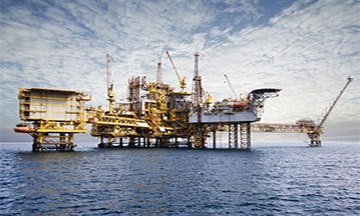
Typical North Sea and Gulf of Mexico production platform configuration – wells, platforms, processing and export

Implementation: Marcio Martins Mourelle of Petrobras Research and Development Center CENPES confirmed in the EOLSS Pipeline Engineering chapter that in an offshore production field a production plant facility also called an offshore platform is placed nearby the wells used to explore the field with many pipelines called intrafield pipelines used for the connection between the wells and the production facility and between the wells and subsea equipment and between two platforms and that offshore production platforms are intended to take the multiphase produced flow containing oil and gas and condensate and water and separate basically into two products to be exported with the output usually taken by export pipelines often 200 km away or even farther. The fixed type structures had to be replaced by floating units as water depth increased with the record for the operation of a floating production unit being around 3,000 meters of water depth and the offshore pipelines differing from land pipelines by the difficulty of construction and installation and the high external pressure as a function of the water column and the corrosive and relatively cold environment represented by seawater, with the installation methods including reel-lay using onshore construction with the vessel going offshore with the only task of laying the pipeline and S-lay with the pipe welded in horizontal position and J-lay meant for deeper waters requiring lower laying tension with the pipeline welded in the vertical position and the tow method using tugboats to tow a long pipeline length from a beach site to the intended location. The Gulf of Mexico and North Sea and West Africa and Brazil are among the main offshore production provinces with the riser defined as the vertical pipeline carrying oil from the seabed to the sea surface when the platform is located over the wells and as the part of the pipeline lifting off the seabed towards the sea surface connecting to the platform when the platform is placed far from the wells, representing a real-world manifestation of the major elements and platform types and facilities and processing systems and utility systems and surface facility selection criteria described in the course modules.​

Results: The EOLSS chapter confirmed that the structural integrity of offshore pipelines is one of the most critical operational requirements because if a mechanical failure occurs leakage of products causing environmental damage and even the loss of human lives can result and that a pipeline is a structure with no redundancies where once damage occurs no redundancy exists to help carrying out the loads making pipeline engineering sometimes challenging especially for deeper waters and other challenging situations such as uneven seabeds, confirming that organizations benefit enormously from personnel who understand export pipeline design and offshore platform type selection and processing system configuration and surface facility selection criteria including water depth and seabed condition and oil and gas evacuation strategy and contractor capability and technology availability and maturity. Results confirmed that when planning an offshore installation the designer needs to establish contingency plans for extreme weather situations and that the installation of a pipeline is usually a critical path for businesses of several billions of dollars making the installation in any part of the year desirable with weather conditions and forecast needing to be carefully followed illustrating exactly the types of offshore platforms and facilities and processing systems and selection criteria for surface facilities knowledge the course builds through its modules on all elements of the offshore oil and gas production and export chain.​

Be inspired by leading offshore oil and gas engineering achievements. Register now to build the skills your organization needs for well control governance excellence and production platform configuration optimization and integrated topsides safety system success!

Frequently Asked Questions?

4 simple ways to register with Zoe Talent Solutions:

  • Website: Log on to our website www.zoetalentsolutions.com. Select the course you want from the list of categories or filter through the calendar options. Click the “Register” button in the filtered results or the “Quick Enquiry” option on the course page. Complete the form and click submit.
  • Telephone: Call us on +971 4 558 8245 to register.
  • E-mail Us: Send your details to info@zoetalentsolutions.com
  • Mobile/Whatsapp: You can call or send us a message on Whatsapp on +44 20 4586 0412 or +971 4 558 8245 to enquire or register.
    Believe us we are quick to respond too.

Yes, we do deliver courses in 17 different languages which includes English, Arabic, French, Portuguese, Spanish are to name a few.

Our course consultants on most subjects can cover about 3 to maximum 4 modules in a classroom training format. In a live online training format, we can only cover 2 to maximum 3 modules in a day.

Our live online courses start around 9:30am and finish by 12:30pm. There are 3 contact hours per day. The course coordinator will confirm the Timezone during course confirmation.

Our public courses generally start around 9:30am and end by 4:30pm. There are 7 contact hours per day. 

A ‘Remotely Proctored’ exam will be facilitated after your course.
The remote web proctor solution allows you to take your exams online, using a webcam, microphone and a stable internet connection. You can schedule your exam in advance, at a date and time of your choice. At the agreed time you will connect with a proctor who will invigilate your exam live.

A valid ZTS ‘Certificate of Training’ will be awarded to each participant upon successfully completing the course.

×

Courses with Exclusive Offers Browse Courses

Download PDF

Chat with a Consultant