
Safety Maintenance of LPG Tanker and Jetty Operations
 Print
Print Download pdf
 Download Brochure
 Register
| Date | Format | Duration | Fees | |
|---|---|---|---|---|
| 29 Apr - 03 May, 2024 | Live Online | 5 Days | $2250 | Register |
| 10 Jun - 14 Jun, 2024 | Live Online | 5 Days | $2250 | Register |
| 08 Jul - 12 Jul, 2024 | Live Online | 5 Days | $2250 | Register |
| 19 Aug - 30 Aug, 2024 | Live Online | 10 Days | $4495 | Register |
| 09 Sep - 13 Sep, 2024 | Live Online | 5 Days | $2250 | Register |
| 14 Oct - 18 Oct, 2024 | Live Online | 5 Days | $2250 | Register |
| 11 Nov - 15 Nov, 2024 | Live Online | 5 Days | $2250 | Register |
| 09 Dec - 13 Dec, 2024 | Live Online | 5 Days | $2250 | Register |
| Date | Venue | Duration | Fees | |
|---|---|---|---|---|
| 20 May - 24 May, 2024 | Singapore | 5 Days | $5695 | Register |
| 24 Jun - 28 Jun, 2024 | Singapore | 5 Days | $5695 | Register |
| 29 Jul - 02 Aug, 2024 | Accra | 5 Days | $4950 | Register |
| 05 Aug - 16 Aug, 2024 | New York | 10 Days | $9850 | Register |
| 23 Sep - 27 Sep, 2024 | Maldives | 5 Days | $5350 | Register |
| 30 Sep - 04 Oct, 2024 | Houston | 5 Days | $5695 | Register |
| 25 Nov - 29 Nov, 2024 | Barcelona | 5 Days | $5695 | Register |
| 23 Dec - 27 Dec, 2024 | Addis Ababa | 5 Days | $4950 | Register |
Book Classes Now

Course Overview
A liquefied gas is a liquid form of a substance that would be a gas at ambient temperature and atmospheric pressure. Gases are liquefied for transportation in bulk. Most liquefied petroleum gases, more commonly known as LPGs, are hydrocarbons. These are highly hazardous in nature, considering their combustible property. LPGs are shipped either in mixtures or separately.
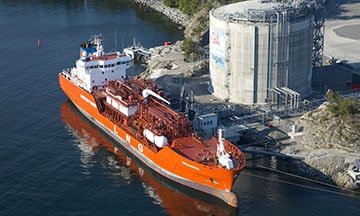
Therefore, extreme care and safety is required when transporting LPGs, including limitation of leakage or exposure to ignition sources. LPGs are shipped in LPG carriers or tankers. An LPG tanker can be defined as a gas carrier constructed for transportation of petroleum gases in bulk. Often, these tankers can also be used to transport other gases, such as ammonia, propylene and vinyl chloride.
LPG carriers can be of different types depending on the temperature and pressure needed, such as full pressure type, semi-refrigerated type and fully refrigerated type. Safety is of primary importance as a minor mishap or careless act could lead to large and damaging effects on life, property and the environment as well as huge business losses.
Thus, personnel working in such zones and handling such cargo need to be extra cautious in operations and need to stringently follow all processes in the best interest of safety.
The emergency response teams appointed at these locations need to understand the nature of cargo they are handling, the degree of damage any incident can cause and the need for prompt and appropriate action in the event of an accident. One of the few initial steps in case of an accident involves stopping the flow or leakage and locking off or blocking ignition sources that could instigate a fire.
However, to be able to successfully cover these necessary steps, considering the hazardous nature of the gases, personnel handling such cargo or members of emergency response teams need to mandatorily be equipped with breathing apparatuses and protective clothing.
Thus, safe LPG tanker and jetty operations will be possible only if personnel are well aware and well educated of how to handle the cargo and emergency situations.
This Zoe training course will empower you with complete knowledge of handling LPG tanker and jetty operations to ensure safe transportation of LPGs. Further, the awareness gained through this course will help you avert an accident by taking corrective action promptly.
This Safety Maintenance of LPG Tanker and Jetty Operations course will provide you with the knowledge, experience and exposure required to help your organisation successfully implement safety systems and procedures in LPG tanker and jetty operations.
This, in turn, will give you more opportunities to demonstrate your skill and confidence as well as potential to spearhead certain safety procedures in your organisation, contributing to reduced risks of accidents and increased trade and commerce.
Course Objectives
The main objective of this Safety Maintenance of LPG Tanker and Jetty Operations course is to empower marine professionals with—
- complete knowledge and understanding of safe LPG tanker and jetty operations
- awareness of the hazardous nature of LPGs and the importance of safety and precautionary measures while handling and transporting these gases
- the required confidence to drive implementation of safety policies and measures across the organisation to ensure safety assurance to life and property and reduce risks of accidents and losses to business
- awareness and exposure to international standards of practices and operations to manage LPG transportation while effectively handling safety and minimising risks of accidents
- the adequate skill and knowledge to progress laterally or vertically to roles involving risk assessment and safety management of LPG tanker and jetty operations
- confidence, experience and knowledge to independently help one’s organisation maintain its safety management practices and guidelines through regular internal reviews and audits of the systems, practices and usual operational procedures
- the required knowledge, confidence and awareness to effectively handle accidents and minimise impact to life, property and the marine environment
- the necessary foresight to treat hazards before they magnify and have drastic negative impact
Training Methodology
Zoe Talent Solutions’ training courses are delivered in formats completely customisable to the professional background and experience of the training audience.
The trainer delivers the course content through presentations and discussions and encourages questions and experience sharing during the course delivery to foster two-way participation. Case studies, role-plays and group competitions and assignments further help bring about variation and garner interests for the topic. Mock drills form an important part of the practical aspect to the training.
The Safety Maintenance of LPG Tanker and Jetty Operations course follows Zoe Talent Solutions’ Do–Review–Learn–Apply Model.
Organisational Benefits
With marine professionals attending this Safety Maintenance of LPG Tanker and Jetty Operations course, their organisations will benefit in the following ways:
- A more equipped and informed workforce to carry out safe LPG tanker and jetty operations
- Advanced tools and techniques as well as best practices and operational procedure guidelines as per international standards for operational efficiency and safety
- Robust safety and hazard management systems and policies
- Regular internal audits and reviews to check performance and compliance with required standards
- Better pre-emption of risks and faster precautionary and corrective action to prevent recurrence or minimise the impact
- Greater credibility and more investments because of reduced risks and better safety management
- Greater employee satisfaction and a positive and motivated work culture because of focus on employee health and safety
- Enhanced trade and commerce because of controlled risks and operations and better-automated processes for efficiency
- More systematic record and information maintenance
- Contribution to the preservation of marine flora and fauna
- Better accident management resulting in minimal or no impact on life, property or the marine environment
Personal Benefits
Marine professionals attending this Safety Maintenance of LPG Tanker and Jetty Operations course will derive the following benefits:
- Complete awareness and in-depth understanding of safe LPG tanker and jetty operations
- Increased knowledge and confidence to drive implementation of safety management procedures and policies in one’s organisation, thus broadening scope and avenues for growth and progression
- Greater and clearer understanding of international practices and standards of tanker and jetty operations, thus building one’s capability to work and perform operations at an international standard
- Enhanced skill and talent to conduct audits and reviews to check compliance with set standards and guidelines
- Greater confidence, experience and information to effectively manage an incident or accident, minimising loss to life, property and the marine environment
- Increased awareness to notice early signs of probable hazards and implement precautionary steps to minimise business loss
- A sense of pride and satisfaction to contribute to the safety of colleagues and preservation of the marine environment as well as to the advancement of trade and commerce through safe and successful transportation of these gases
Who Should Attend?
- Senior officials and top management of marine organisations who need to understand the importance of safe LPG tanker and jetty operations and take important strategic decisions in this regard
- Investors who would like to know more about an organisation’s risk assessment and safety management systems to check dependability and credibility
- Policymakers and safety managers responsible for ensuring adherence to set standards of safety and precautions during operations
- Managerial and supervisory staff responsible for overseeing operations at the tankers and jetties
- Tanker and jetty operators and other personnel completely involved in operations at these two sites
- External auditors and compliance officers responsible for ensuring the maintenance of safety standards and practices
- Private investigators and legal officers who need to thoroughly understand LPG tanker and jetty operations
- Any other professional interested to know more about safe LPG tanker and jetty operations
Course Outline
The Safety Maintenance of LPG Tanker and Jetty Operations course will cover the following areas that are critical for understanding safe LPG tanker and jetty operations in detail:
Module 1 – Importance of Safe Operations
- Protection of loss of life and property
- Protection of the environment
- Maintenance of credibility
- Increase in trade and commerce
Module 2 – Aspects Facilitating Safety Maintenance
- Training
- Policies and procedures
- Reviews and audits
- Automation
- Leadership awareness
Module 3 – Types of LPG Carriers
- Full pressure type
- Semi-refrigerated type
- Fully refrigerated type
Module 4 – Priorities of Emergency Teams in Case of Leakage or Spillage
- Ensure personal safety measures
- Breathing apparatuses and protective clothing
- Massive water wall protection
- Stop the flow
- Prevent ignition
- Disperse vapour cloud
Module 5 – Sources of Ignition
- Smoking
- Portable electrical equipment
- Communication equipment
- Hot work, hammering, chipping and power tools
- Ship to shore bonding
- Auto-ignition points
- Static electricity
- Steam
- Carbon dioxide
Module 6 – Some Types of Cargo Equipment
- Cargo pumps
- Product line systems
- Product system segregation setup
- Venting and drain system
- Measuring and control system
- Cargo tank level gauges
- Cargo tank level switches
- Re-liquefaction plant
- Cargo heater
- Auxiliary equipment and systems
Module 7 – General Best Practices for LPG Handling/Storage
- Authorised and trained personnel
- Permits mandatory
- Sources of ignition concealed and protected
- Regular checks of the fire-fighting system
Module 8 – Methods of LPG Discharge
- Vapour pressure
- Cargo pumps with or without boosters
- Cargo pumps through a cargo heater and booster pump